Plumbing Relocation in Denver, CO
Plumbing relocation services involve the process of moving existing plumbing lines to new locations within a property, often to accommodate renovations, additions, or reconfigurations of interior spaces. These projects can include relocating kitchen or bathroom fixtures, rerouting pipes during basement or attic remodels, or adjusting plumbing for new appliances and fixtures. Property owners typically want to understand the scope of work involved, the impact on other utilities, and any necessary permits or inspections before initiating a project.
Homeowners and property owners requesting plumbing relocation services should consider the complexity of their existing plumbing system and the desired new layout. It’s important to evaluate the accessibility of existing pipes, potential disruptions to daily activities, and the overall cost implications. Clear communication about the project's goals and any structural considerations can help ensure the relocation process proceeds smoothly and meets the needs of the space.
Many property owners in Denver, CO look into Plumbing Relocation for repairs, replacements, upgrades, and appearance-related improvements.
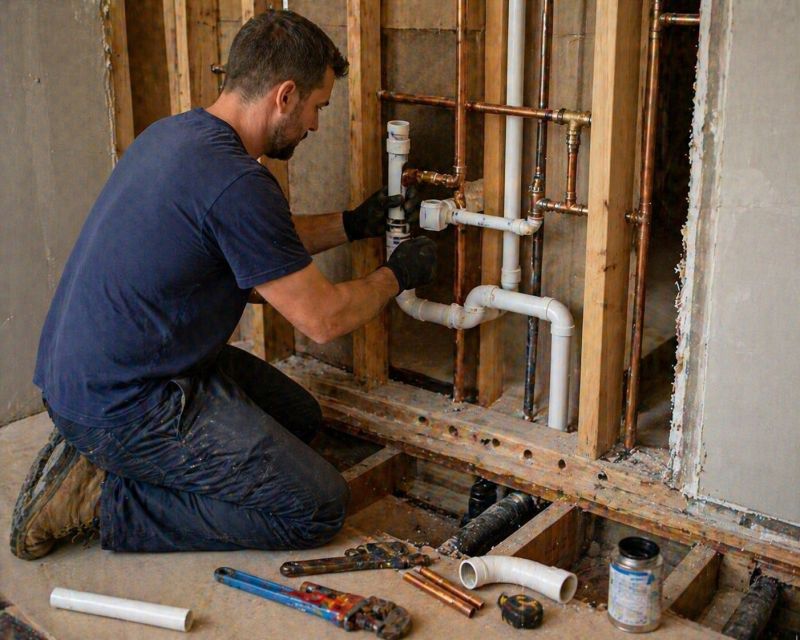
Relocating Plumbing Lines
Moving existing plumbing to accommodate renovations or new layouts in denver homes.
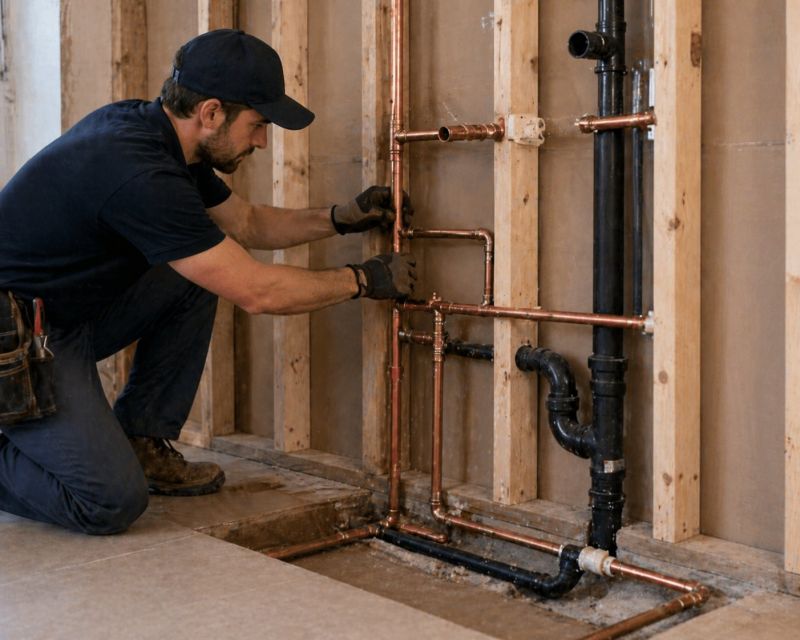
Property Renovations And Expansions
Adjusting plumbing systems to support additions or modifications to residential and commercial properties.
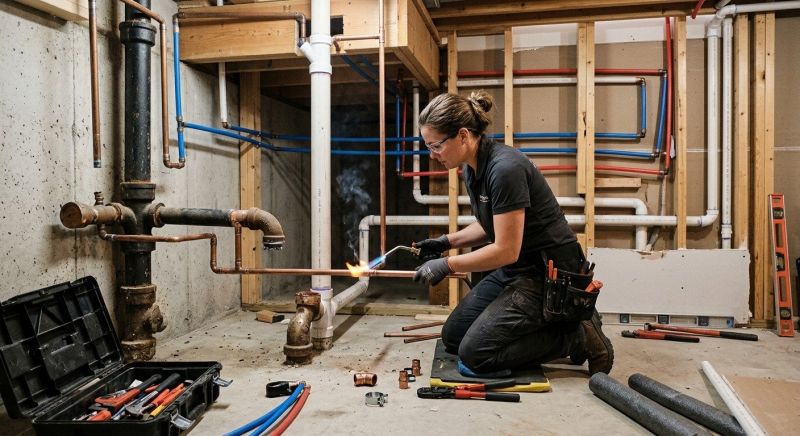
Emergency Plumbing Adjustments
Reconfiguring plumbing to resolve issues caused by shifting foundations or structural changes in denver properties.
Plumbing Relocation in Denver, CO

Plumbing relocation services involve the process of moving existing plumbing lines to new locations within a property, often to accommodate renovations, additions, or reconfigurations of interior spaces. These projects can include relocating kitchen or bathroom fixtures, rerouting pipes during basement or attic remodels, or adjusting plumbing for new appliances and fixtures. Property owners typically want to understand the scope of work involved, the impact on other utilities, and any necessary permits or inspections before initiating a project.
Homeowners and property owners requesting plumbing relocation services should consider the complexity of their existing plumbing system and the desired new layout. It’s important to evaluate the accessibility of existing pipes, potential disruptions to daily activities, and the overall cost implications. Clear communication about the project's goals and any structural considerations can help ensure the relocation process proceeds smoothly and meets the needs of the space.
Many property owners in Denver, CO look into Plumbing Relocation for repairs, replacements, upgrades, and appearance-related improvements.
Common Plumbing Relocation Jobs
Bathroom Remodels - relocating plumbing to accommodate new layouts or fixtures.
Kitchen Renovations - moving water lines and drains for updated appliance placement.
Basement Finishing - rerouting plumbing to support additional bathrooms or laundry areas.
Garage Conversions - relocating plumbing to create functional living or storage spaces.
Adding New Fixtures - extending existing plumbing for new sinks, tubs, or outdoor setups.
Property Reconfigurations - adjusting plumbing systems during major renovations or expansions.
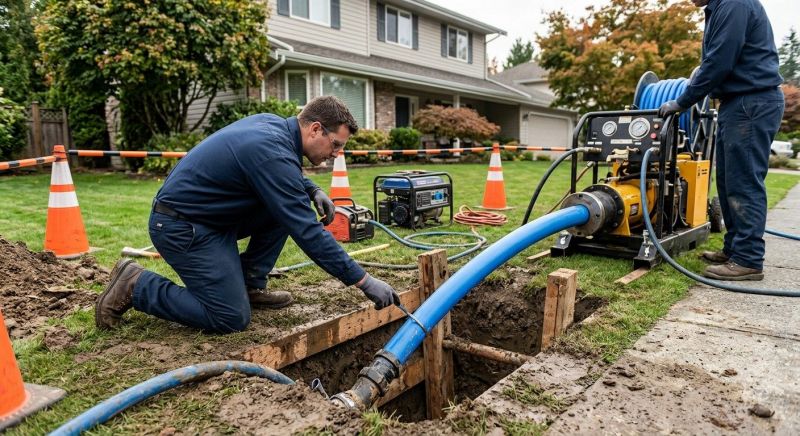
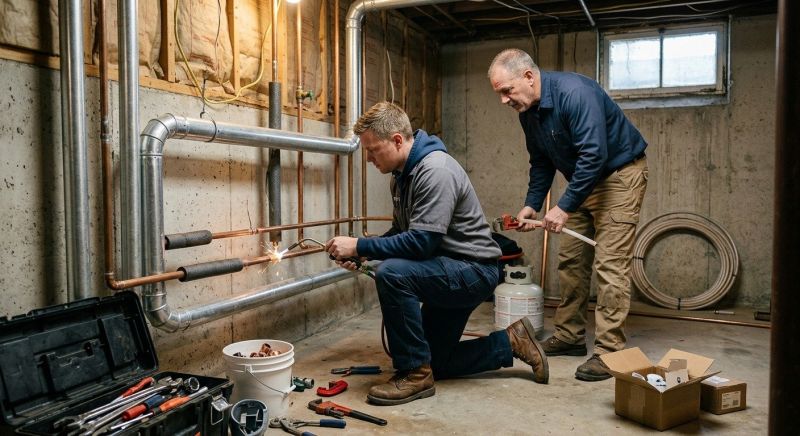
Plumbing Relocation Questions
What is plumbing relocation? It involves moving existing plumbing lines to different areas within a property, often for renovations or new layouts.
When is plumbing relocation necessary? It is typically needed during remodeling projects, additions, or when upgrading outdated plumbing systems.
What should property owners consider before a plumbing move? Factors include the building’s layout, access to existing lines, and the impact on utilities and fixtures.
Can plumbing relocation be done in existing structures? Yes, it can be performed in both new and existing buildings, depending on the scope of the project.
Request Plumbing Relocation in Denver, CO
Use the quote form on this page to share the basics of your project and request more information for the type of work you need.